DZambala: the Buddhist Deity of Wealth, Prosperity, and Abundance
DZambala is highly honored in Vajrayana Buddhism as a powerful wealth god. He protects vulnerable people and removes poverty. Many believe he helps develop wealth in both material and spiritual ways.
Dzambhala is practiced and greatly admired across the Gelug, Nyingma, Kagyu, and Sakya Buddhist traditions, where he is believed to protect against misfortune while supporting merit and long-term prosperity; Dzambhala and Kubera are closely connected as wealth deities, both associated with prosperity and the protection of material and spiritual wealth across Hindu and Buddhist traditions.
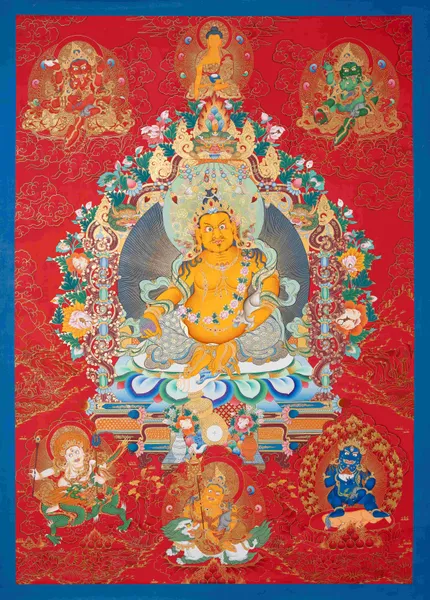
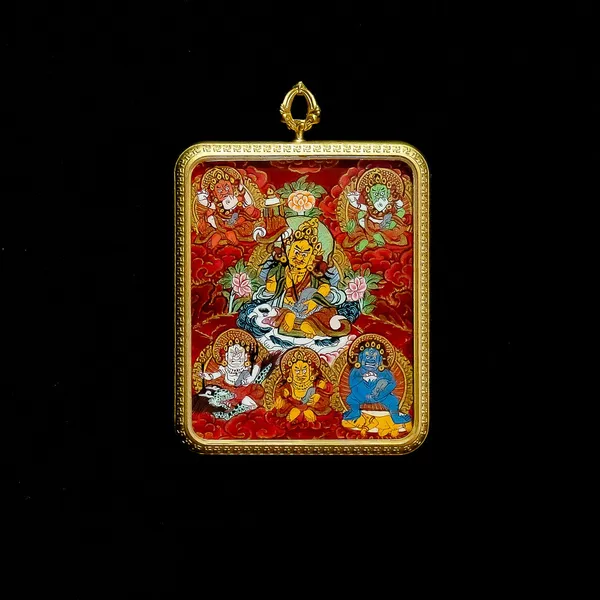
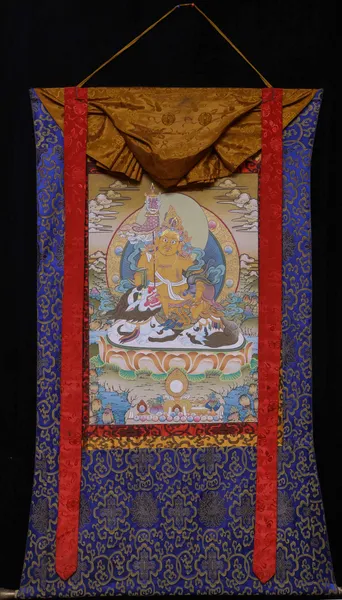
DZambala Thangka painting is a hallmark of Tibetan art and devotional practice.
Meditators also often use it in meditation sessions. Many Tibetans rely on Guardian of Wealth imagery to bring wealth, overcome obstacles and assist their spiritual journey.
DZambala - Overview
Practitioners see this Buddhist god of wealth as a strong answer to poverty. He protects prosperity and brings luck.
According to many believers, the wealth god can reduce money stress while also protecting wealth and bringing good luck. People believe the wealth god helps ease heavy financial obligations and increase prosperity. This can make life less burdensome and may bring good fortune in return.
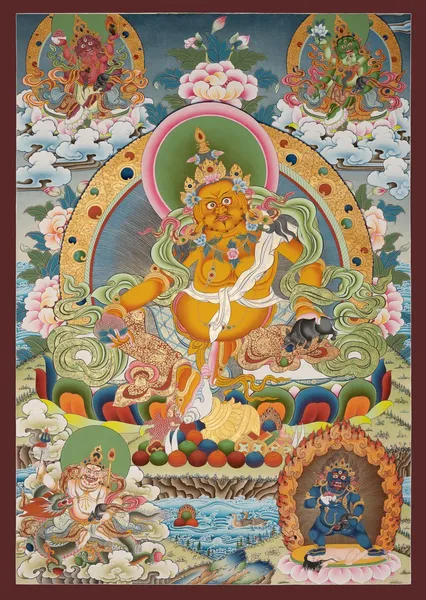
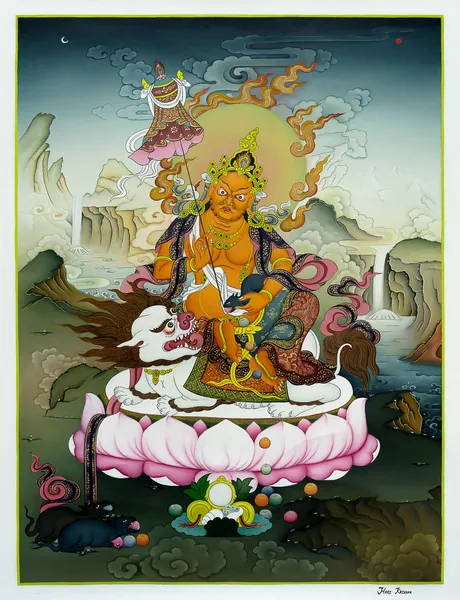
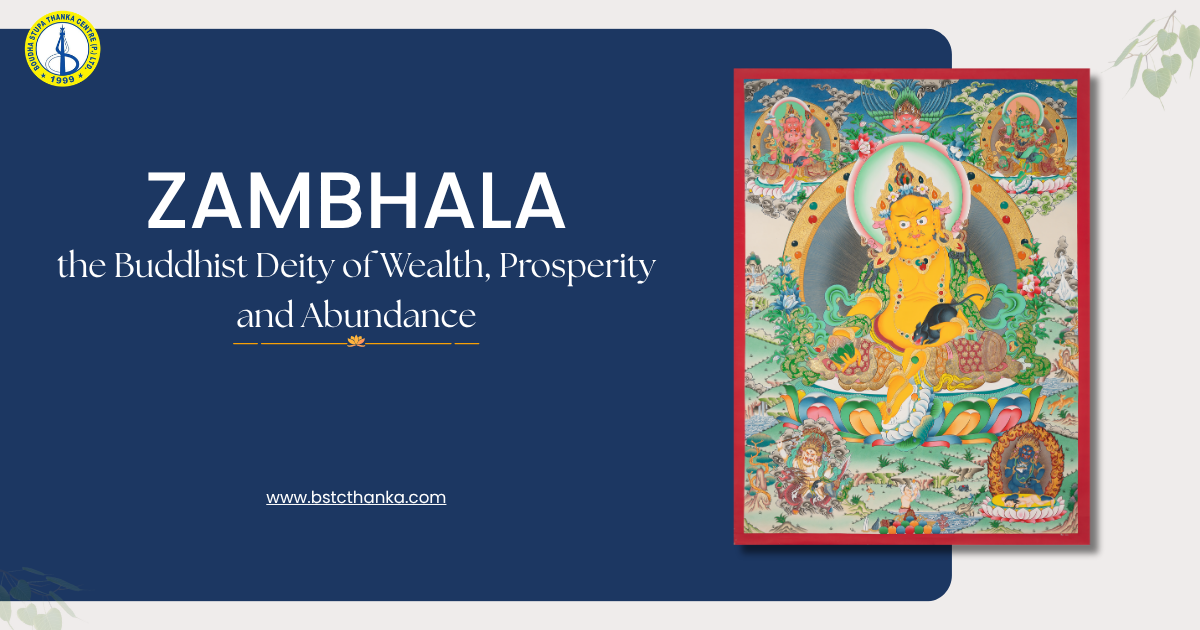
Thangka artwork often depicts him surrounded by a mongoose which releases jewels - an auspicious sign - while sitting regal. These symbols of wealth symbolize his great fortune.
Worship of this Buddhist wealth deity is believed to help promote:
- Success and prosperity await those who work hard.
- Financial security from threats, moving obstacles, amount of merit and positive karma increase
- Spiritual development and giving back are both necessary.
Who is Jambhala?
Jambhala is a Buddhist god of wealth who can help alleviate financial stressors by providing support during financial difficulties.
Buddhism's definition of wealth extends beyond material possessions or money. Instead, wealth means inner strength, wisdom, and positive qualities. Guardian of Wealth helps people build these qualities through daily life and spiritual exploration.
Symbolism of DZambala
These images symbolize Zambala as a god of wealth and happiness:
- Mongoose jewels symbolize prosperity and kindness. The jewels dripping from its mouth symbolize success, prosperity, and luck both financially and spiritually.
- Jewelry symbolizes both material and spiritual wealth.
- All these symbols stand for security and long-term prosperity.
In Tibetan Buddhism, DZambala appears in five different forms, each representing a distinct manifestation:
- Yellow Zambala is perhaps the best-known form, helping alleviate poverty through abundance and prosperity.
- White and Black Zambalas focus on healing and compassion, while helping restore wealth.
- Black Zambala is a strong protector against negative energy and obstacles. It helps ensure good fortune in all areas of life.
- Green Zambala: Reversing misfortune.
- Red Zambala attracts power, wealth and efficiency while strengthening it further.
Collectively they represent security and prosperity.
Zambala in Thangka Art
Zambala is one of the most beloved characters within Tibetan Thangka art. Zambala Thangka paintings are commonly used to:
- Meditation, prayers and rituals to increase prosperity are available here.
- Many teachers and practitioners see Zambala Thangka practice as an effective way to create fullness.
- They also see it as helpful for overcoming money-related issues.
- Zambala Tibetan art is highly esteemed among religious communities and collectors worldwide.
How to Meditate on Zambala?
Follow these steps for meditation:
- Search for a peaceful spot where you can unwind.
- Look at a Zambala picture or Thangka painting.
- Imagine a warm golden light of prosperity shining upon your future success.
- Repeat slowly: Om Dzambhala Dzalen Draye Soha
Do this daily for about 10 to 20 minutes.
FAQs:
- Who Is Zambala? In Buddhist tradition, people see Zambala as the god of fortune, wealth, and prosperity.
- What is the meaning of Zambala? He stands as a representation of prosperity, wealth security, abundance and well-being.
- What makes practitioners so inspired about Zambala? Practitioners seek his aid in ending poverty and encouraging economic prosperity.
- Are there any commonly observed forms of Zambala? Yes, there are five recognized forms of Zambala.
- Is Zambala still popular with today's guests? Absolutely, its devotion is an integral part of Tibetan Buddhism and thus remains popular with guests today.
Conclusion
Zambala is one of the most powerful wealth deities in Tibetan Buddhism. He represents prosperity, protection, and spiritual growth.
Tibetan Buddhists revere Zambala as one of their major wealth gods. He symbolizes prosperity, protection and spiritual advancement.
Meditating on Zambala and using Zambala Thangka paintings can help remove obstacles, attract prosperity, and support spiritual development.